

Step 1
Discovery & Structure
We start by understanding your business, goals, and preferences. Then we map out page structure, user flow, and content sections so everything makes sense before design begins.
A contractor website that looks professional is not the same as one that converts. Most contractor sites are built by designers who understand aesthetics but have never thought about how a property manager evaluates a contractor online, or why a homeowner abandons a contact form halfway through. The result is a site that photographs well in a portfolio and quietly loses jobs every week.
The problems are usually the same. Project photos buried three clicks deep. No clear breakdown of service types. A contact form that asks for too much too soon. Mobile experience that forces users to pinch and zoom. License and insurance information that does not exist on the page even though every serious buyer checks for it before calling.
We build contractor websites around how construction clients actually evaluate, decide, and reach out — not around what looks good on a design agency’s case study page.
Web Design · General Contractors
A 2024 homeowner survey found that price transparency — even ballpark ranges — significantly increases the likelihood of contact before a quote is requested. Most contractor websites hide pricing entirely, which creates friction exactly where buyers are most ready to act. A site built around how buyers evaluate contractors closes that gap before a competitor does.
Web design is the foundation. SEO gets your site found, online business optimization turns visits into enquiries, and managed hosting keeps everything fast and online. Each service works better when the others are running alongside it.
From first brief to live site — every project follows the same structured process so nothing gets missed and you always know where things stand.
We start by understanding your business, goals, and preferences. Then we map out page structure, user flow, and content sections so everything makes sense before design begins.
We design your homepage first — colors, fonts, layout — and get your approval before moving to the remaining pages. Mobile adaptation is built in from the start, not added at the end.
Approved designs get built into a fully functional site — CMS setup, integrations, forms, performance optimization, and accessibility baked in throughout.
Cross-browser testing, mobile checks, speed benchmarks, form validation, and a full review pass before anything goes live.
Site goes live on a structured schedule. Your team gets trained on the CMS and handed documentation so you can manage content confidently from day one.
Every contractor site we build starts with the same question — what does a serious buyer need to see before they pick up the phone? For residential clients that is project photos organized by type, clear service descriptions, visible reviews, and a frictionless way to request a quote. For commercial clients it is license and insurance information, project scale and sector experience, and a contact path that does not feel designed for homeowners.
We build both into the same site — structured so each buyer type lands on what they need without wading through what they do not. Service pages organized by project type. Location pages for each corridor and suburb you actually work in. A mobile experience that loads fast and works cleanly on a phone at a job site.
The result is a site that does not just represent your business — it actively works to bring in the next job.

Average increase in contact form submissions after restructuring service pages around project type rather than generic service categories
Of homeowners prefer a contractor with more reviews and a lower rating over fewer reviews and a higher one — reviews need to be visible on the site
Of homeowners are more likely to contact a contractor whose website shows pricing — transparency converts before a quote is ever requested
Figures reflect contractor client engagements across residential and commercial project types. Results vary by market, project mix and how completely the site is built out at launch.

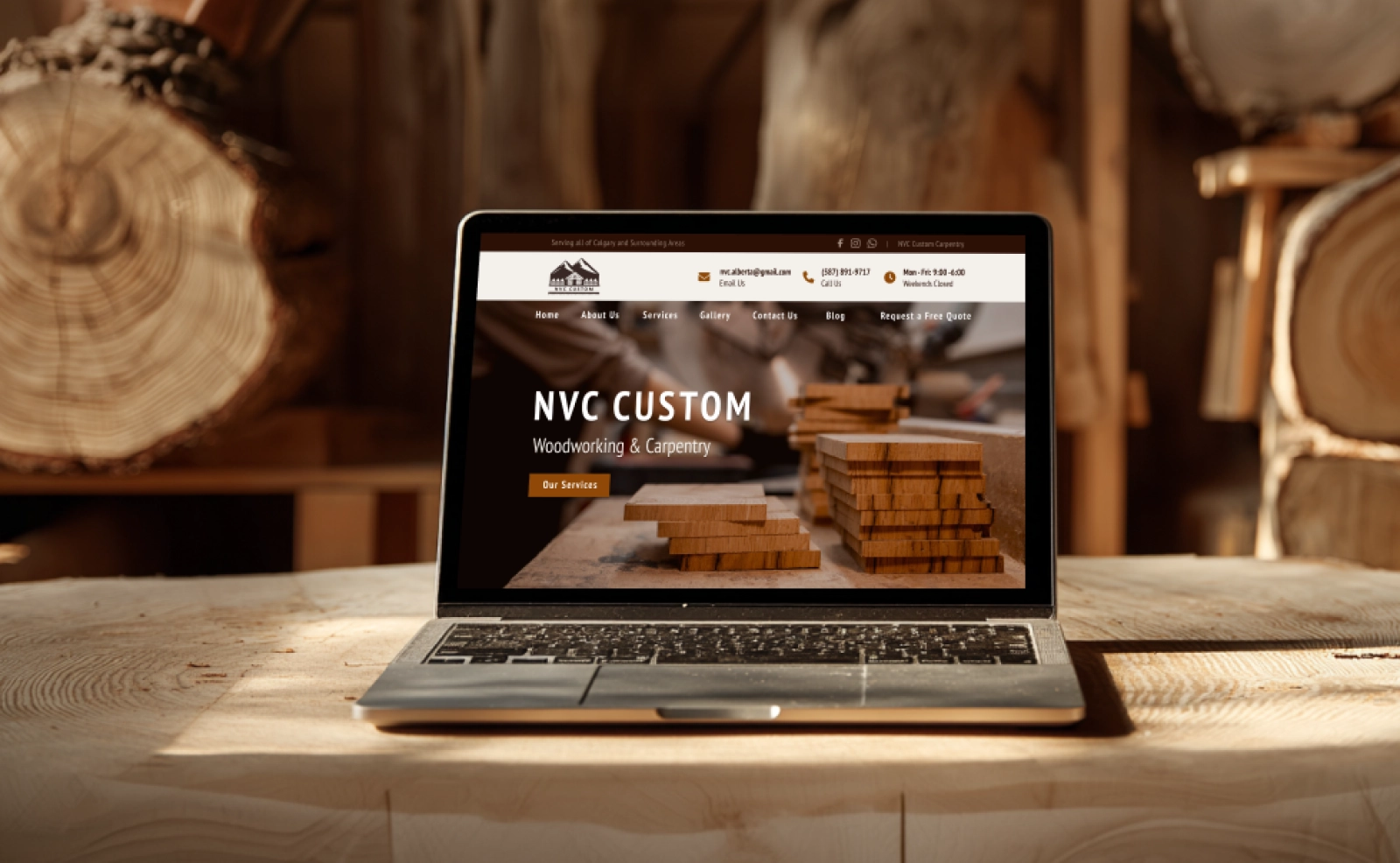
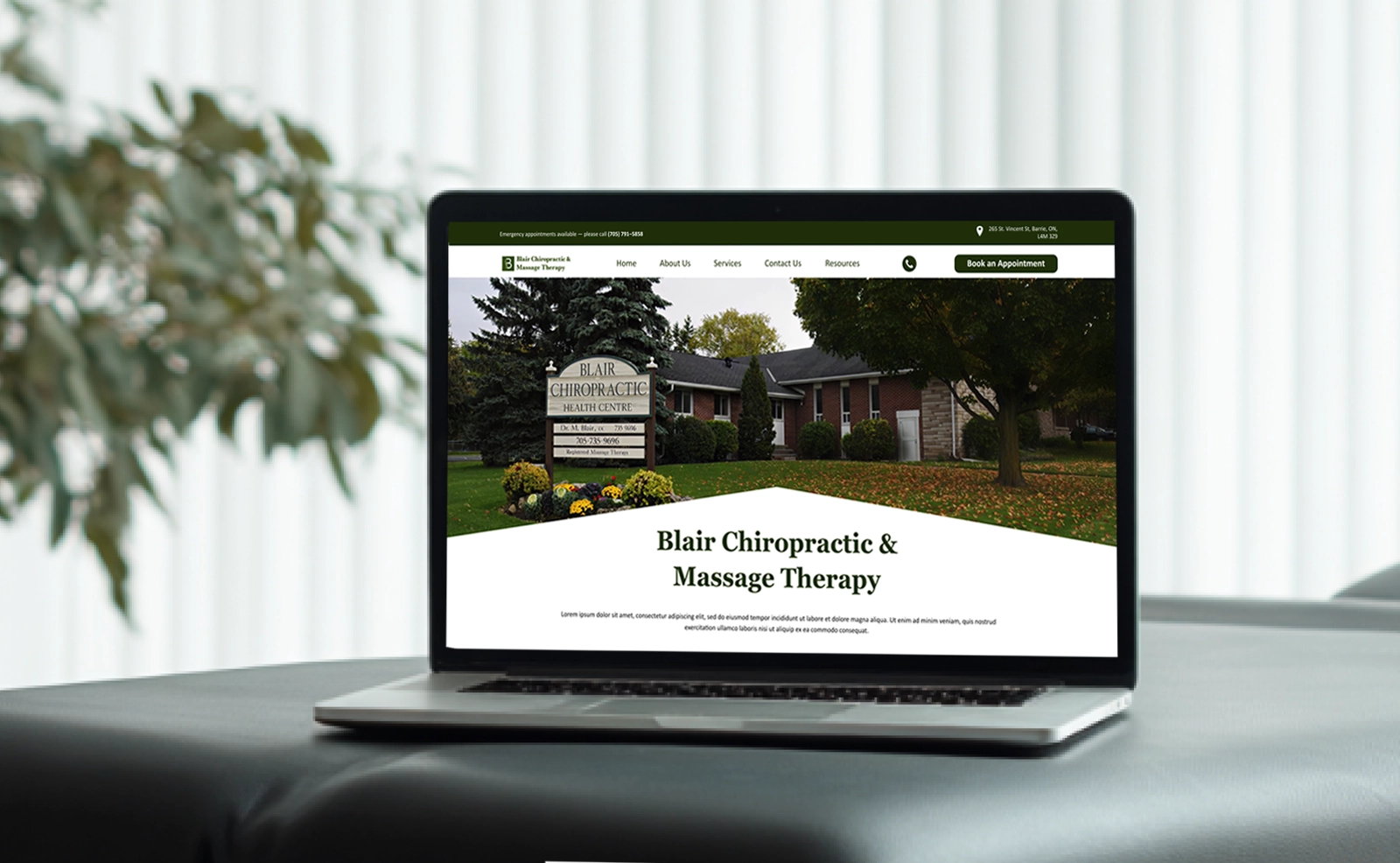
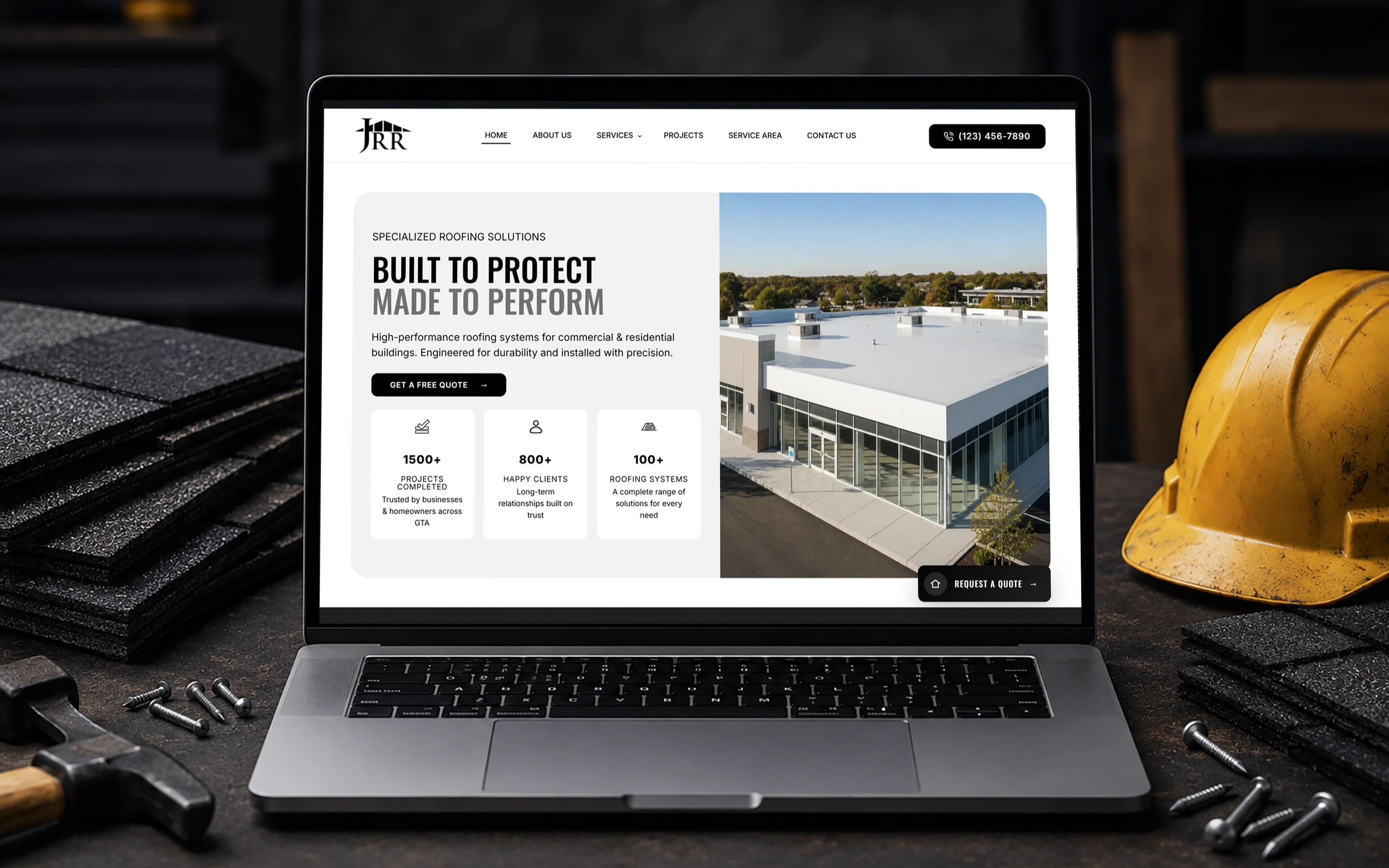
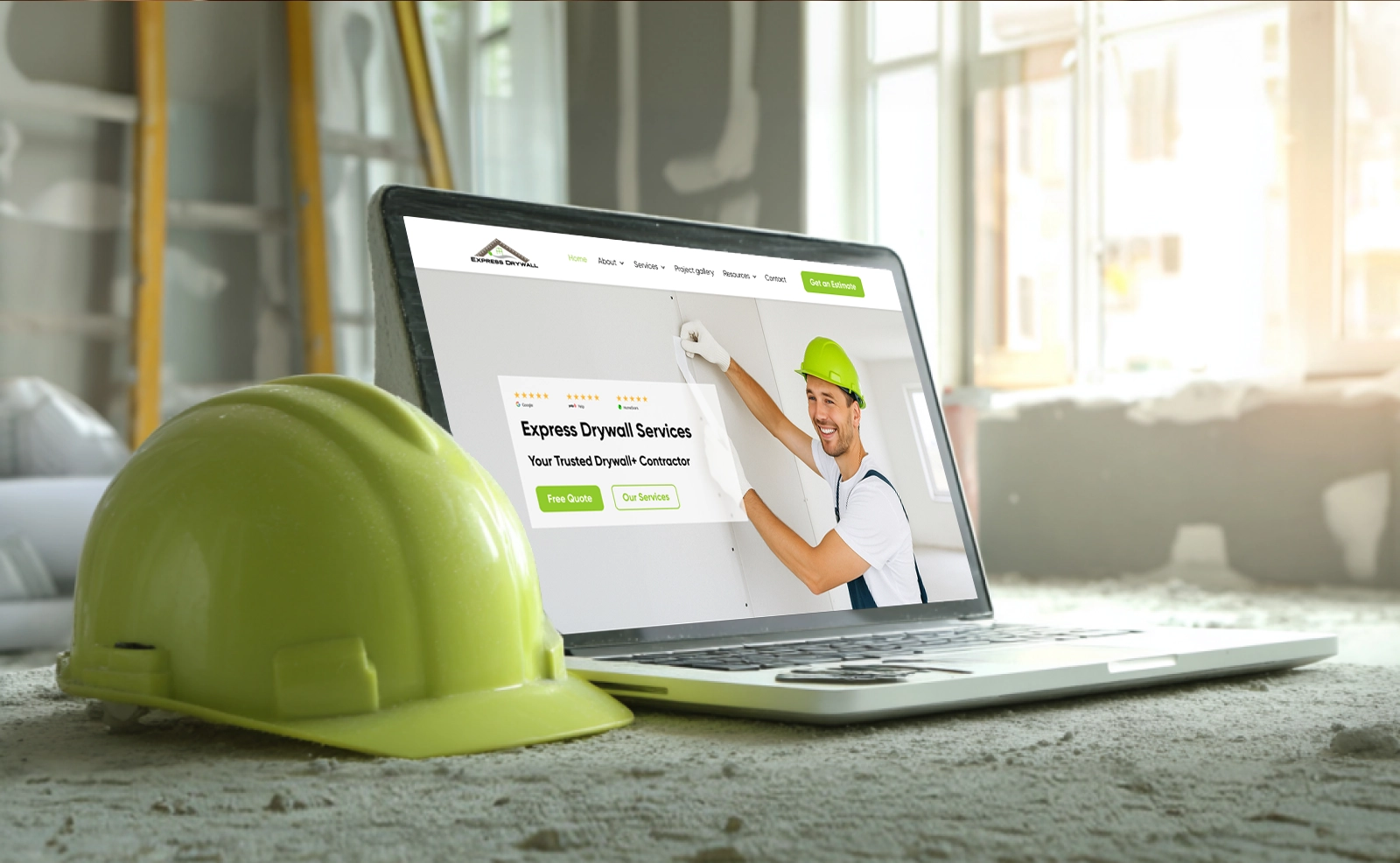
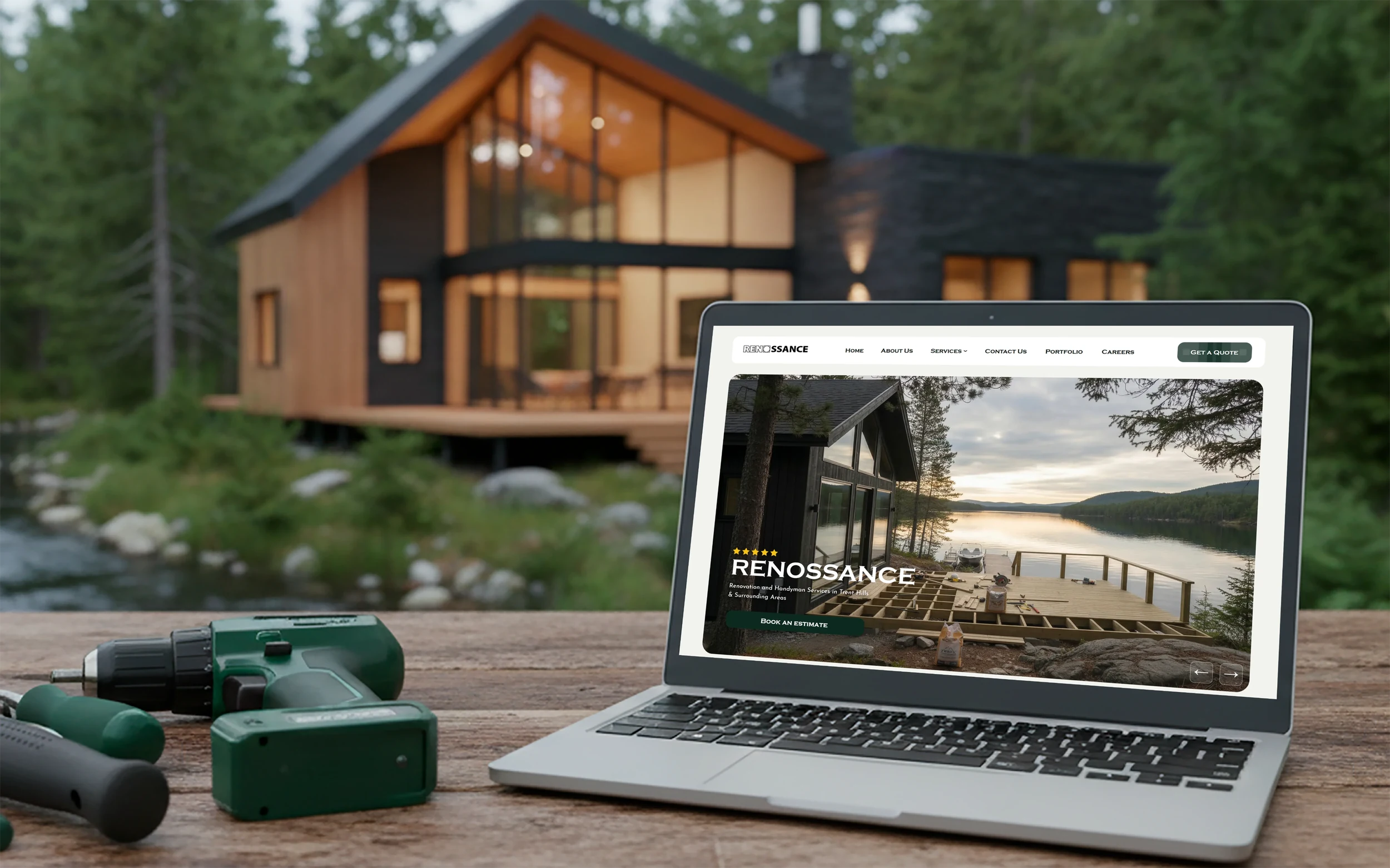
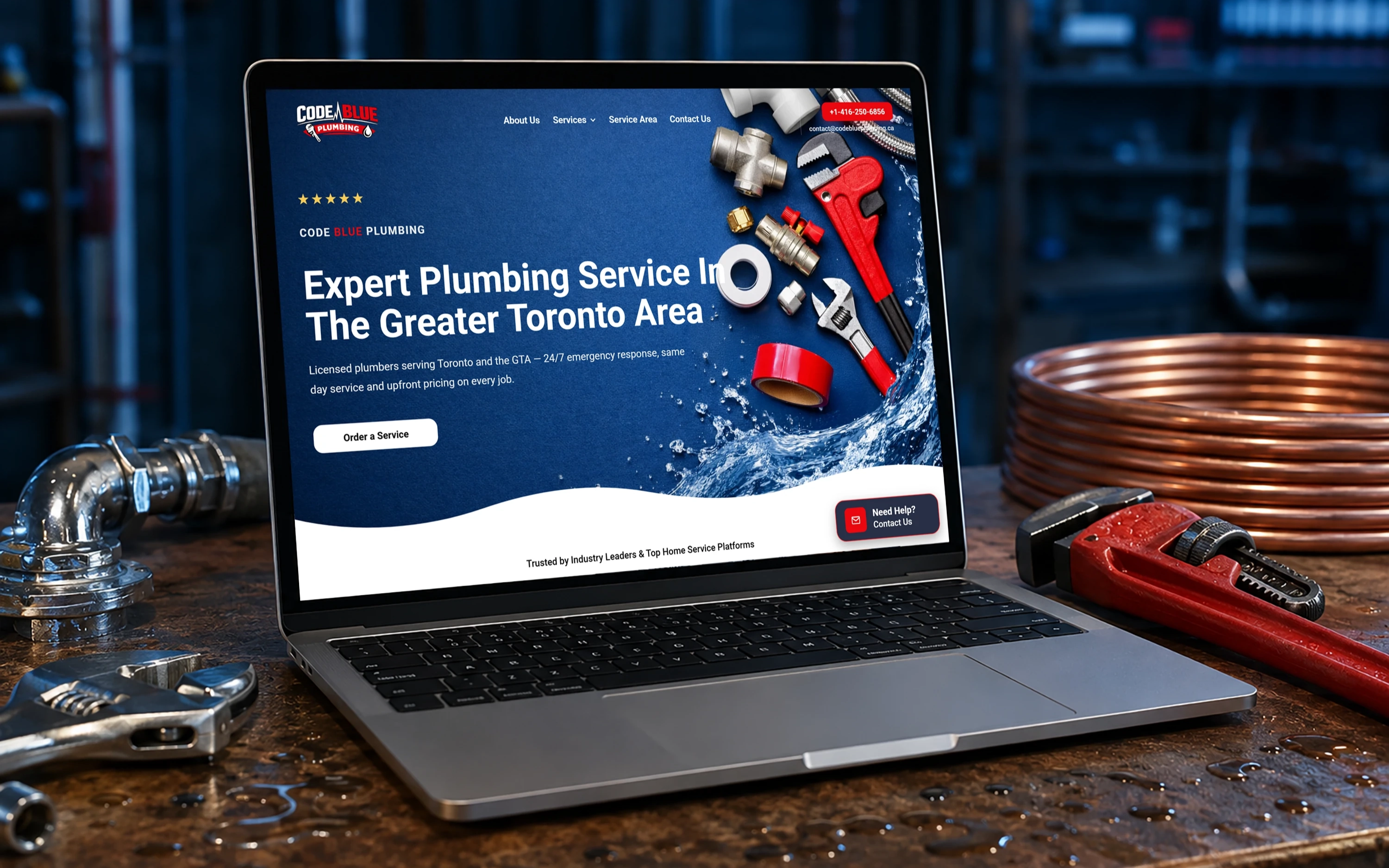
We do not just talk — we ship real websites that real people use. Here is a look at what we have built for businesses like yours.
Most contractor websites are built once and forgotten. Pages that never get updated. Project photos that stop at the last job from three years ago. A contact form that nobody monitors. The site exists but it is not working. A well-built contractor website does the opposite — it organizes your services so buyers self-qualify before they call, surfaces the trust signals that serious clients check before making contact, and loads fast enough on mobile that you do not lose the job to whoever ranked below you. Web design is not a one-time cost. It is the foundation every other part of your digital marketing runs on.
Yes — and we structure them differently. Residential clients and commercial project managers evaluate contractors on different signals and need to land on different pages. We build both into the same site without one undermining the other.
Share your current site and tell us what is not working — we will come back with a direct assessment and what a rebuild or restructure would involve.
Reach Out







 Get in Touch With SEOrca
